What Are the Main Technologies Used in Used Engine Oil Recycling?

Author: Mr. JAY
Senior Petrochemical & Used Oil Recycling Engineer
With practical experience in used oil recycling systems, fuel recovery routes, and industrial optimization, he focuses on converting waste hydrocarbon streams into cleaner and more valuable products.
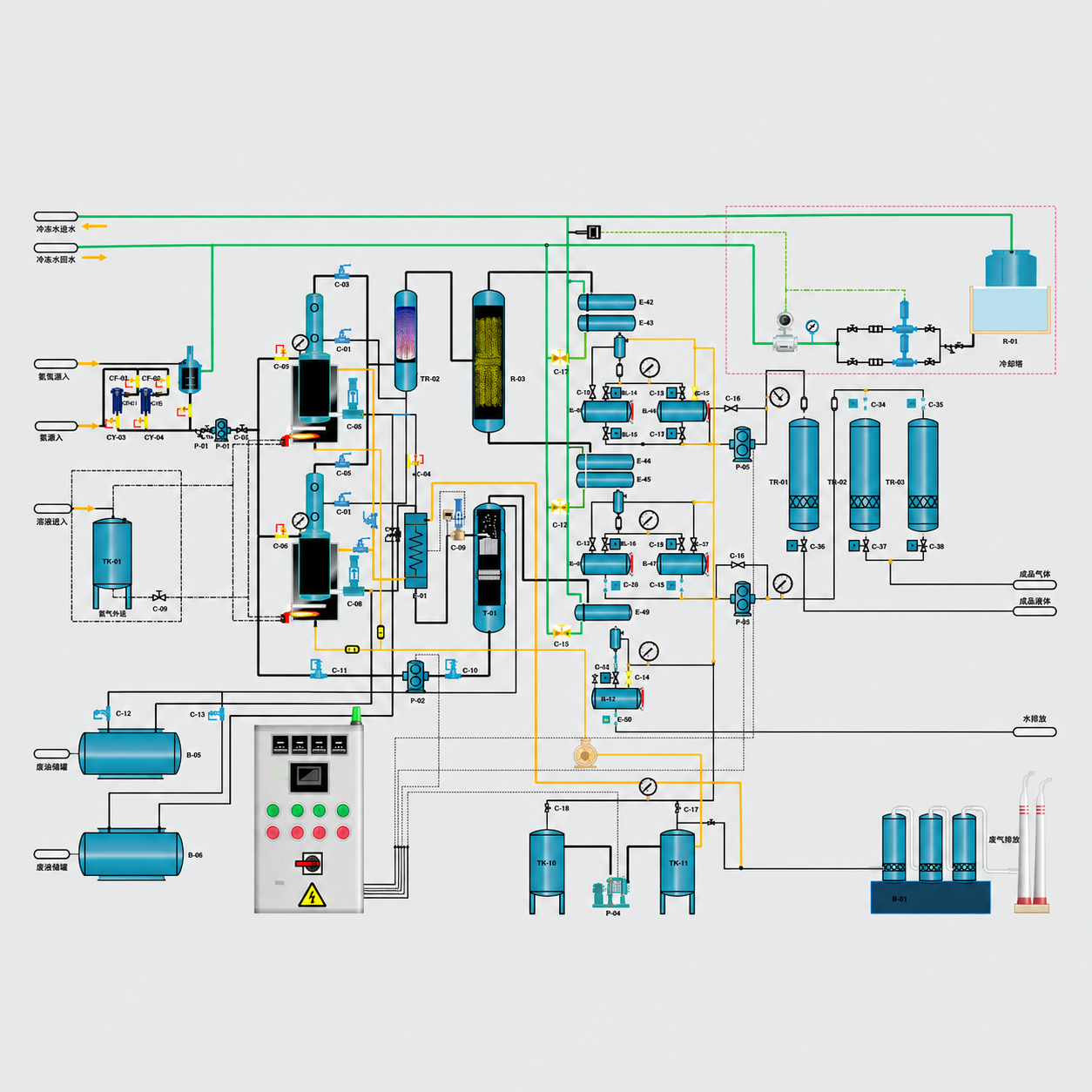
The used oil recycling industry has evolved far beyond polluting, outdated methods into a cornerstone of sustainable energy. Today, modern facilities utilize sophisticated engineering systems—ranging from physical reprocessing and advanced membrane filtration to high-vacuum distillation, catalytic re-refining, and energy recovery. By seamlessly integrating mechanical pre-treatment, membrane separation, high-vacuum thermal distillation, and catalytic hydrofinishing, state-of-the-art re-refineries can achieve high-quality base oil yields exceeding 70% to 80%—all while consuming significantly less energy than refining virgin crude oil from scratch.
Pre-Treatment and Physical Reprocessing (Removing the Gross Contaminants)
Before any thermal or chemical processing can occur, raw waste oil must undergo initial physical purification to protect downstream equipment from fouling, clogging, and abrasion.
Sedimentation & High-Speed Centrifugation: Heavy particulate matter—such as sand, soot, and iron shavings—is allowed to settle in holding tanks or separated mechanically using high-speed centrifuges.
Micro-Filtration: High-efficiency pressure filters strip out fine suspended solids and remaining dust particles.
Dehydration & Flash Dewatering: Used oil typically contains up to 10% water and volatile light fuels (gasoline or diesel diluents). The oil is heated to 120°C to 150°C inside flash drums to boil off water vapor and light volatile ends safely.
Advanced Membrane Filtration (Low-Energy Polishing)
As a bridge between basic physical filtration and thermal processing, membrane technology has gained traction in modern recycling lines.
Mechanism: Utilizes advanced ceramic or polymeric nano-filtration and ultra-filtration membranes operating at lower temperatures.
Application: Effectively intercepts ultra-fine particulates, colloids, and polar oxidation products without requiring high thermal energy. It is frequently deployed as a pre-polishing step or in industrial closed-loop recycling loops.
High-Vacuum Thermal Distillation (The Core Separation Step)
To separate clean lubricating oil molecules from heavy asphalt, carbon sludge, and depleted additives, high-vacuum distillation is essential. Heating lubricating oil to high temperatures under normal atmospheric pressure causes severe thermal cracking and coking. By lowering the system pressure, boiling points drop, allowing the oil fractions to vaporize safely.
Thin-Film / Wiped-Film Evaporation (WFE): Mechanical wipers continuously spread the pre-treated oil into an ultra-thin layer across a heated cylindrical vessel wall. Under deep vacuum, base oil fractions vaporize rapidly within seconds, preventing carbon buildup and thermal degradation.
Fractional Distillation Columns: Vaporized hydrocarbons pass through fractionating columns to separate into distinct viscosity cuts, such as Light Neutral and Heavy Neutral base oil stocks.
Chemical Finishing and Catalytic Re-Refining (Achieving Virgin Quality)
Distilled base oil fractions still contain trace impurities like sulfur, nitrogen, oxygen, and unstable unsaturated molecules (olefins). To achieve high purity, color stability, and oxidation resistance, modern plants rely on chemical finishing:
Catalytic Hydrotreating / Hydrofinishing: The distilled oil is mixed with hydrogen gas under high pressure and passed over fixed-bed metal catalysts.
Catalyst Types: Common industrial catalysts include Nickel-Molybdenum (NiMo) for deep desulfurization and nitrogen removal, Cobalt-Molybdenum (CoMo), and Nickel-Tungsten (NiW) for intense aromatic saturation.
Operating Temperatures: Maintained between 250°C and 380°C to drive hydrogenation rates without triggering thermal cracking.
Operating Pressures: High-pressure environments ranging from 5.0 to 15.0 MPa (approx. 50 to 150 bar) suppress coking and ensure complete molecular stabilization.
Solvent Extraction: Using selective polar solvents (such as N-methylpyrrolidone or NMP) to dissolve and extract undesirable polycyclic aromatic hydrocarbons (PAHs) and polar impurities.
The Acid-Clay Method (Historical / Obsolete): Historically, concentrated sulfuric acid was used to precipitate impurities, followed by active clay adsorption. This method has been widely banned or phased out globally due to the hazardous, acidic solid waste sludge it generates.
System Integration: Centralized Plants vs. On-Site Mobile Units
Beyond chemical pathways, recycling systems are categorized by their operational scale and deployment structure:
Centralized Continuous Re-Refineries: Large-scale, highly automated industrial facilities integrating pre-treatment, vacuum distillation, and catalytic hydrotreating to process tens of thousands of tons annually.
On-Site / Modular Industrial Reclamation Units: Skid-mounted or mobile physical purification units deployed directly inside large manufacturing plants, steel mills, or heavy equipment hubs to continuously filter and extend the life of industrial hydraulic and gear oils without transporting them off-site.
Alternative Routes: Reprocessing and Energy Recovery
Not all used oil goes through full re-refining back to base stock. Depending on feedstock quality and regional economics, alternative pathways include:
Industrial Fuel Processing: Basic physical filtration and dewatering render the oil suitable as a burner fuel for asphalt plants, cement kilns, and industrial boilers.
Thermal Cracking / Pyrolysis: Medium-scale systems heat waste oil in the presence of cracking catalysts to break down long hydrocarbon chains into lighter fuel fractions, producing non-standard diesel or heating oil.