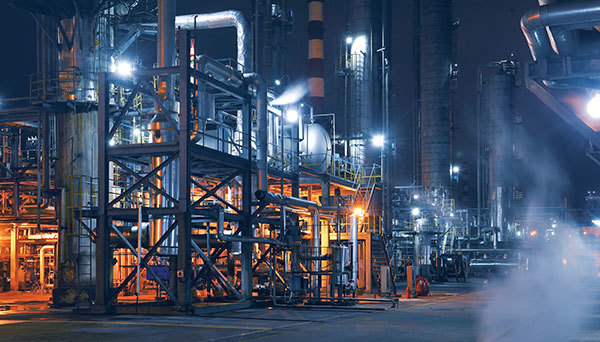
Industrial Waste Oil Recycling Plant | VBOLT Solutions

Advanced Sustainable Solutions for Used Lubricants

Scale your recycling business with VBOLT's high-grade waste oil recovery plants. Our modern solutions deliver exceptional operational performance, transforming hazardous waste into high-value re-refined base oils.

Waste Oil Recycling Plant & Machine

Waste Oil Recycling Plant & Machine

Product Video

Product Overview

- PRODUCT

Product Video

From Waste to Profit

Turn Waste Oil Into Valuable Fuel & Base Oil

See how VBOLT helps customers transform used oil into marketable oil products through route-based process design, from raw oil evaluation to base oil recovery or diesel-range fuel production.

Waste to Value Base Oil Route Diesel Route EPC Project Support
SEE THE RECOVERY PROCESS →

- PRODUCT

Product Overview

Advanced technology. Complete EPC delivery.

Waste Oil Recycling Plant & Machine

Complete solution for used engine oil recycling, waste lubricating oil re-refining and waste oil to diesel production. VBOLT provides process design, equipment manufacturing, installation guidance and commissioning support based on your raw oil and target product.

Two Routes Base oil recovery and diesel recovery
Thin Film Core distillation technology for base oil route
EPC Delivery From process design to commissioning support
Project-Based Designed according to feedstock and target product
From waste oil to valuable resources

Not Just a Machine — A Complete Waste Oil Recycling Project Solution

Waste oil recycling is a project-based business. The correct process route must consider raw oil condition, target final product, local fuel standard, heating method, installation country, environmental requirement and long-term operating cost. VBOLT provides route-based technical solutions instead of simply supplying a single machine.

Raw Oil Complexity

Used oil may contain water, sludge, metal particles, additives, heavy residue and unstable components.

Product Target Difference

Base oil recovery and diesel recovery require different process routes, refining levels and equipment configurations.

Operating Stability

High-viscosity waste oil can cause coking, fouling and unstable distillation if the process is poorly designed.

Project Delivery

Customers need process design, layout design, equipment integration, installation guidance and commissioning support.

EPC Engineering, procurement, manufacturing, installation guidance, commissioning and operator training for complete waste oil recycling projects.
Two technical routes

Different Product Targets Require Different Process Routes

VBOLT designs waste oil recycling plants according to the customer’s final product target. One route focuses on regenerated base oil recovery. The other route focuses on diesel-range fuel or industrial fuel oil recovery. The route must be selected before accurate engineering design and quotation.

Waste oil to base oil recycling route with thin film distillation and refining system
Physical refining route

Waste Oil to Base Oil Solution

This route is suitable for customers who want to recover regenerated base oil from used engine oil, waste lubricating oil and industrial waste mineral oil.

  • Core process: Thin film distillation / vacuum distillation.
  • Deep refining: Solvent extraction, decolorization, deodorization and polishing.
  • Target product: Re-refined base oil for lubricant blending after quality control.
  • Best for: Lubricant producers, used oil re-refining companies and base oil recovery investors.
Waste oil to diesel recycling route with catalytic conversion and fractionation system
Catalytic conversion route

Waste Oil to Diesel Solution

This route is suitable for customers whose market target is diesel-range fuel, industrial fuel oil or diesel substitute fuel from used oil feedstock.

  • Core process: Catalytic cracking / thermal conversion + fractionation.
  • Deep refining: Desulfurization, odor control, color improvement and fuel polishing.
  • Target product: Diesel-range fuel or industrial fuel oil depending on local standards.
  • Best for: Fuel oil suppliers, recycling companies and industrial energy recovery projects.
How to choose

Choosing the Correct Technical Route Before Quotation

A waste oil recycling plant should not be selected only by capacity. The right route depends on feedstock type, available test data, local product demand, required final product quality, energy cost, environmental requirements and site conditions.

01

Raw Oil Type

Used engine oil, waste lubricating oil, hydraulic oil, mixed mineral oil or heavy waste oil may require different treatment steps.

02

Target Product

The project should clearly define whether the target product is regenerated base oil, diesel-range fuel or industrial fuel oil.

03

Local Standards

Fuel standards, base oil application requirements and environmental permitting requirements influence the final process design.

04

Operating Cost

Heating method, electricity price, fuel price, manpower and operating hours should be evaluated before project configuration.

Applicable feedstock

Waste Oil Materials That Can Be Evaluated

VBOLT waste oil recycling plants can be configured for different waste mineral oil materials. Before process design, our engineers usually evaluate water content, solid impurities, viscosity, sulfur content, flash point, acid value, metal content and distillation range.

  • Used engine oil and waste motor oil
  • Waste lubricating oil from industrial equipment
  • Hydraulic oil, gear oil and compressor oil
  • Marine lubricating oil and mixed mineral oil
  • Heavy waste oil and low-value oil after pretreatment
  • Sludge oil or contaminated oil after proper evaluation
Applicable waste oil feedstock including used engine oil and waste lubricating oil Waste oil sample testing before process route selection

The base oil recovery route focuses on physical separation and deep refining. It is designed to recover base oil fractions from high-viscosity used lubricating oil while reducing coking risk, improving product color and preparing the oil for lubricant blending after quality control.

Waste oil to base oil process system with thin film distillation and refining

Base Oil Recovery Route

This process usually includes pretreatment, dehydration, light ends removal, thin film distillation or vacuum distillation, base oil fraction recovery, solvent refining, decolorization, deodorization and final polishing.

Step 01

Raw Oil Storage

Waste oil is collected, stored and homogenized before entering the pretreatment section.

Step 02

Pretreatment & Filtration

Water, sludge, metal particles and large mechanical impurities are removed to protect downstream equipment.

Step 03

Dehydration & Light Ends Removal

Moisture and volatile light components are removed to improve vacuum distillation stability.

Step 04

Thin Film / Vacuum Distillation

High-viscosity oil is separated under controlled temperature and vacuum conditions to recover base oil fractions.

Step 05

Base Oil Fraction Recovery

The target base oil fraction is collected according to boiling range and product requirements.

Step 06

Solvent Refining

Selected refining steps help remove unstable components, color bodies, odor sources and polar impurities.

Step 07

Product Polishing

Final polishing improves clarity, odor, stability and appearance before storage or blending.

Step 08

Base Oil Storage

Qualified regenerated base oil is stored for lubricant blending or further quality adjustment.

The diesel recovery route focuses on converting heavier hydrocarbon components into lighter diesel-range fractions. It is suitable for customers whose market target is industrial fuel oil, diesel substitute fuel or diesel-range product after refining.

Waste oil to diesel process system with catalytic conversion and fractionation

Diesel-Range Fuel Recovery Route

This process usually includes pretreatment, catalytic cracking or thermal conversion, fractionation, diesel fraction recovery, desulfurization, odor control, color improvement and fuel polishing according to local standards.

Step 01

Raw Oil Pretreatment

Water, sludge and solid impurities are removed to make the feedstock more stable for conversion.

Step 02

Catalytic Conversion

Long-chain and heavier hydrocarbon molecules are converted into lighter diesel-range components.

Step 03

Fractionation

Light oil, diesel fraction, heavy oil and residue are separated through controlled distillation and fractionation.

Step 04

Diesel Fraction Recovery

The target diesel-range fraction is collected based on boiling range and customer product requirements.

Step 05

Desulfurization

Desulfurization can be configured according to sulfur content, product target and local fuel requirements.

Step 06

Odor & Color Control

Further refining can improve odor, color, appearance and fuel acceptance in local applications.

Step 07

Fuel Polishing

The fuel product is filtered and polished to improve cleanliness and handling performance.

Step 08

Fuel Storage

Final diesel-range fuel or industrial fuel oil is stored after quality inspection and product confirmation.

Core technology

Thin Film Distillation for High-Viscosity Waste Oil Separation

Thin film distillation is one of the key technologies used in the base oil recovery route. Compared with traditional kettle-type distillation, thin film distillation allows waste oil to form a thin and uniform film on the heated surface, improving heat transfer efficiency and reducing residence time.

This is especially valuable when processing high-viscosity used engine oil and waste lubricating oil, because poor heat transfer and long residence time can increase coking, fouling and unstable distillation operation.

  • Improves heat transfer efficiency through thin liquid film formation
  • Reduces residence time and helps minimize thermal degradation
  • Better suited for high-viscosity waste lubricating oil separation
  • Helps reduce coking and fouling risk during long-term operation
  • Supports stable recovery of base oil fractions under vacuum conditions
Thin film distillation technology for waste oil recycling and base oil recovery
Technical focus

Thin film distillation is mainly used for base oil recovery and selected high-viscosity waste oil separation applications.

Product quality improvement

Refining Depth Depends on Final Product Target

Waste oil recycling quality is not determined by distillation alone. The final product quality depends on raw oil condition, process route, refining depth, operating parameters and local product requirements.

Professional Product Statement

Final product quality should be confirmed based on feedstock test data, actual process configuration, refining depth and local application standards. VBOLT recommends technical evaluation before final quotation.

Desulfurization

Can be configured for diesel-range fuel or fuel oil projects according to sulfur content and market requirement.

Decolorization

Improves product appearance and market acceptance for base oil or fuel oil applications.

Deodorization

Reduces unpleasant odor caused by unstable components, sulfur compounds or oxidation products.

Fuel Polishing

Improves cleanliness, stability and usability of diesel-range fuel or industrial fuel oil.

Solvent Refining

Used for base oil route to improve color, stability and remove selected undesirable components.

Quality Control

Typical evaluation items include viscosity, density, flash point, water content, sulfur and distillation range.

Equipment configuration

Main System Components for Different Routes

The final equipment configuration depends on feedstock quality, process route, capacity, final product target, heating method, automation level and environmental requirements. VBOLT can provide modular or complete plant configuration according to project conditions.

Common waste oil recycling equipment configuration

Common System

  • Raw oil storage tank
  • Feed pump and filtration system
  • Dehydration unit
  • Heating system
  • Condenser and cooling system
  • Product receiving tanks
  • PLC control system
  • Waste gas treatment system
Base oil route equipment with thin film evaporator and refining system

Base Oil Route

  • Thin film evaporator
  • Vacuum distillation system
  • Base oil fraction receiver
  • Solvent refining system
  • Decolorization unit
  • Deodorization unit
  • Product polishing system
  • Base oil storage tank
Diesel route equipment with catalytic conversion and fractionation system

Diesel Route

  • Catalytic conversion reactor
  • Fractionation column
  • Diesel condenser
  • Desulfurization system
  • Odor control unit
  • Color improvement system
  • Fuel polishing system
  • Diesel-range fuel tank
Heating and utility options

Designed According to Local Energy Cost and Project Scale

Heating method is an important part of project economics. VBOLT can evaluate heating options according to local natural gas price, electricity price, fuel oil availability, environmental requirement, capacity and site condition.

Natural Gas Heating

Suitable for many industrial-scale projects where gas supply is stable and cost is competitive.

Diesel Heating

Can be used where diesel fuel is available and installation conditions allow fuel-fired heating.

Electric Heating

Suitable for compact systems, small units or sites where electric heating is easier to control.

Waste Oil Fuel

Can be evaluated when the project has available suitable fuel residue or waste oil fuel source.

Thermal Oil System

May be configured for selected process sections depending on required temperature and safety design.

Automation, safety and environment

Stable Operation Requires Control, Protection and Emission Handling

Waste oil recycling plants involve heating, distillation, vacuum, condensation, residue discharge and refining. A complete project should consider automation, safety interlocks, odor control, non-condensable gas handling and local environmental requirements.

PLC Control

Monitors key operating conditions such as temperature, pressure, vacuum, pump operation and liquid level.

Safety Protection

Can include over-temperature protection, pump protection, emergency shutdown and pressure monitoring.

Gas Handling

Non-condensable gas and odor control systems can be configured according to local requirements.

Residue Management

Heavy residue discharge and collection should be designed to maintain stable operation and reduce downtime.

PLC automation and control system for waste oil recycling plant Environmental control and gas treatment system for waste oil recycling plant
Complete EPC project delivery for waste oil recycling plant from engineering design to commissioning

Turnkey Support

From process route selection to manufacturing, installation guidance and commissioning support.

Complete EPC delivery

From Process Design to Project Landing

VBOLT provides waste oil recycling project support from early technical evaluation to equipment manufacturing, installation guidance, commissioning and operator training. The goal is to help customers build an operable and commercially practical recycling project.

E

Engineering Design

Feedstock evaluation, route selection, capacity design, equipment selection, plant layout, pipeline design, control logic and safety configuration.

P

Procurement & Manufacturing

Core equipment manufacturing, material selection, supporting equipment procurement, quality control, modular assembly and packaging.

C

Construction & Commissioning Support

Installation guidance, piping connection support, electrical guidance, system commissioning, trial production, operator training and spare parts support.

Before proposal

Information Needed Before Technical Proposal and Quotation

Waste oil recycling plant quotation should be based on real project conditions. To recommend the correct process route and equipment configuration, VBOLT usually needs the following information before preparing a technical proposal.

Raw Oil Information

  • Raw oil type and source
  • Available oil test report
  • Water and solid impurity content
  • Sulfur content if available
  • Viscosity, density and flash point if available
  • Estimated daily or monthly available feedstock

Project Information

  • Target final product: base oil or diesel-range fuel
  • Daily processing capacity
  • Installation country and site condition
  • Local voltage and power supply
  • Preferred heating method
  • Environmental or permitting requirements
Application industries

Who Needs a Waste Oil Recycling Plant?

VBOLT waste oil recycling project solutions are suitable for customers who collect, process, regenerate or commercialize waste oil resources. The project can be configured according to local market demand and product application.

Waste Oil Recycling Companies

For companies collecting used oil and converting it into higher-value products.

Lubricant Manufacturers

For customers targeting regenerated base oil for lubricant blending applications.

Fuel Oil Suppliers

For projects targeting diesel-range fuel or industrial fuel oil recovery.

Environmental Companies

For waste treatment companies building resource recovery and circular economy projects.

Industrial Parks

For centralized treatment of waste oil from factories, vehicles and industrial equipment.

Oil Collection Networks

For operators who collect used engine oil and need a downstream processing route.

Refinery Investors

For investors seeking modular or industrial waste oil re-refining projects.

Government Projects

For local environmental programs focused on waste oil pollution reduction and reuse.

FAQ

Frequently Asked Questions

What is the difference between waste oil to base oil and waste oil to diesel?

Waste oil to base oil focuses on recovering regenerated base oil through pretreatment, dehydration, thin film distillation or vacuum distillation and refining. Waste oil to diesel focuses on converting heavier hydrocarbon components into diesel-range fuel through catalytic conversion, fractionation and fuel refining.

Which route is more suitable for my waste oil?

The correct route depends on raw oil type, oil test report, target final product, local product demand, sulfur content, viscosity, available heating method and environmental requirements.

Can one plant produce both base oil and diesel?

Some project designs may recover different oil fractions, but base oil recovery and diesel recovery require different process priorities and refining configurations. The target product should be confirmed before engineering design.

Why is thin film distillation important for used oil re-refining?

Thin film distillation improves heat transfer, reduces residence time and helps reduce coking risk when processing high-viscosity used lubricating oil. It is especially useful in base oil recovery projects.

Why does waste oil to diesel require catalytic conversion and fractionation?

Used lubricating oil contains heavier hydrocarbon components. To obtain diesel-range fuel, the process usually needs catalytic conversion or thermal conversion, followed by fractionation and refining.

What information is needed before quotation?

Important information includes raw oil type, oil test report, daily capacity, target product, installation country, local voltage, heating preference, sulfur content, water content and environmental requirements.

Can VBOLT provide a complete EPC solution?

VBOLT can provide process evaluation, engineering design, equipment manufacturing, modular assembly, installation guidance, commissioning support, operator training and after-sales service.

What heating method can be used?

Heating can be configured as natural gas, diesel, electric heating, waste oil fuel heating or thermal oil heating depending on project scale, local energy cost and site conditions.

What final product quality can be achieved?

Final product quality depends on raw oil condition, process route, refining depth and local product standards. VBOLT recommends technical evaluation based on oil test data before final commitment.

Can the plant be customized according to local regulations?

Yes. Environmental configuration, safety system, heating method, automation level and plant layout can be designed according to local installation and permitting requirements.

Get a customized proposal

Tell Us Your Raw Oil and Target Product

Our engineering team will evaluate whether your project is more suitable for the base oil recovery route or the diesel recovery route, then prepare a customized EPC technical proposal.

Request Waste Oil Recycling Technical Consultation

Share your raw oil type, target product, project capacity, installation country, heating preference and available oil test data. VBOLT will help evaluate the suitable route and project configuration.

  • Raw oil evaluation
  • Base oil or diesel route selection
  • Capacity and heating method advice
  • Customized EPC proposal support
VBOLT Waste Oil Recycling Plant & Machine Complete Solution is a complete project-based technical route for used oil recycling. It includes two process routes: waste oil to base oil and waste oil to diesel. The base oil route uses pretreatment, dehydration, thin film distillation, vacuum distillation and refining. The diesel route uses pretreatment, catalytic conversion, fractionation, desulfurization, odor control and fuel polishing. VBOLT provides engineering design, equipment manufacturing, installation guidance, commissioning support and operator training.

- VBOLT

Related product recommendations

Waste Oil Recycling Plant & Machine

Complete EPC waste oil recycling solution for converting used oil into regenerated base oil or diesel-range fuel through route-based process design, thin film distillation, catalytic conversion and refining technology.

Waste Oil to Diesel Plant

Turn Waste Oil Into Profitable Diesel — Starting Today

Base Oil Solvent Extraction Plant

Base oil extraction equipment mainly utilizes the difference in solubility of different substances in specific solvents to achieve the separation and extraction of base oil.

Lubricating Oil Blending Plant

Intelligent lubricant blending equipment with PLC control, precise metering, fast mixing and energy savings. Ideal for engine oil and industrial lubricant production

Waste Oil to Base Oil Plant

Base oils have a very wide range of applications, covering multiple industries and fields. The following are the main application areas of base oils

- I WANT TO CONSULT

I want to consult

During the process of browsing our products, is there anything that you are particularly satisfied with or that needs to be improved? Your consultation or suggestions will directly help us improve product and service quality and bring you a more intimate experience.

Submit

* Please fill in the above fields (* indicates required fields), and we will reply to your feedback as soon as possible.

FAQ

Please refer to the following instructions for your questions

During the process of browsing our products, is there anything that you are particularly satisfied with or that needs to be improved? Your consultation or suggestions will directly help us improve product and service quality and bring you a more intimate experience.

FAQ

Turn Waste Oil Into Diesel / Base Oil

Free Solution + ROI Analysis in 24 Hours

✔ 85% Yield ✔ Automatic ✔ Fast Payback

Get Solution & ROI

✔ No spam ✔ 24h reply